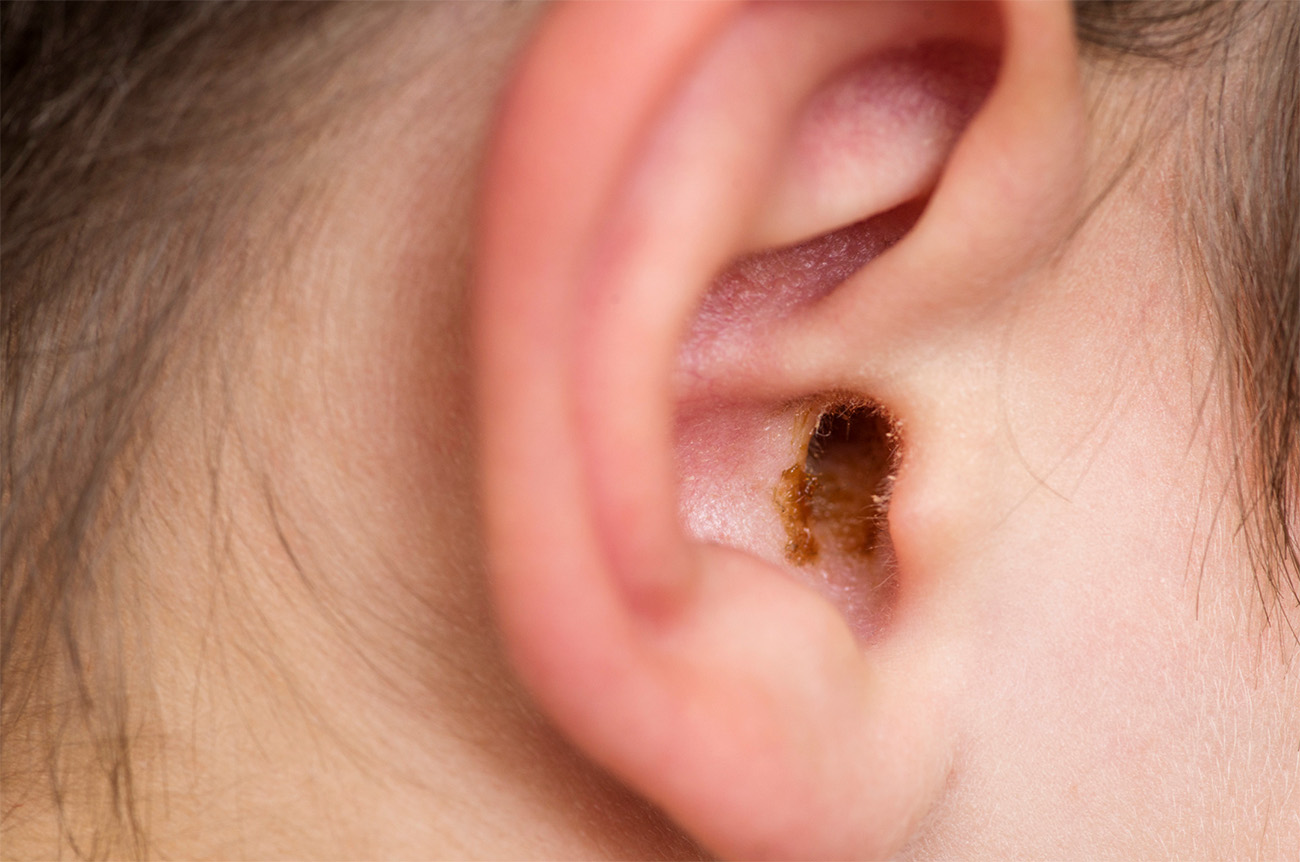
Ear wax, also known as cerumen, is a natural substance produced by the glands in the ear canal. While it may seem unimportant or even bothersome, ear wax plays a crucial role in protecting the ear canal and maintaining ear health. However, excessive buildup of ear wax can lead to various complications and discomfort. In this blog, we’ll explore the importance of removing ear wax and how to do it safely and effectively.
Protecting the Ear Canal
One of the primary functions of ear wax is to protect the ear canal from foreign particles, dust, and debris. Ear wax acts as a barrier, trapping these particles and preventing them from reaching the delicate structures of the inner ear, including the eardrum and ossicles. Without this protective layer, the ear canal becomes more susceptible to infections, irritation, and injury.
Maintaining Ear Health
Ear wax helps maintain ear health by lubricating the ear canal and preventing dryness and itching. The composition of ear wax contains antibacterial properties that help inhibit the growth of harmful bacteria and fungi, reducing the risk of infections. By keeping the ear canal clean and moisturized, ear wax promotes optimal ear function and comfort.
Preventing Impaction and Blockages
While ear wax serves an essential purpose, excessive buildup can lead to impaction and blockages, causing discomfort, hearing loss, and other complications. Impacted ear wax occurs when the wax becomes hardened and obstructs the ear canal, preventing sound waves from reaching the eardrum. This can result in temporary hearing loss, tinnitus (ringing in the ears), and feelings of fullness or pressure in the ear.
Facilitating Hearing and Communication
Removing excess ear wax is essential for maintaining clear and unobstructed hearing. When ear wax accumulates and blocks the ear canal, sound waves are unable to travel effectively to the eardrum. This leads to diminished hearing acuity. By removing ear wax buildup, individuals can experience improved hearing sensitivity and clarity. This will, therefore, enhance their ability to communicate and engage with the world around them.
Preventing Ear Infections
Excessive ear wax buildup can create a favorable environment for bacterial and fungal growth, increasing the risk of ear infections. Moist, dark, and warm conditions within the ear canal provide an ideal breeding ground for pathogens, leading to infections such as otitis externa (swimmer’s ear) or otitis media (middle ear infection). By removing excess ear wax and maintaining proper ear hygiene, individuals can reduce their susceptibility to these infections.
Removing ear wax buildup can alleviate discomfort and improve overall well-being. Individuals experiencing symptoms such as earache, itching, or a sensation of fullness in the ear may find relief through ear wax removal. By restoring comfort and normal function to the ear canal, individuals can enjoy a higher quality of life.
Conclusion
While ear wax serves a vital role in protecting the ear canal and maintaining ear health, excessive buildup can lead to various complications and discomfort. Removing ear wax buildup safely and effectively is essential for promoting optimal ear function, preventing infections, and improving hearing acuity. By understanding the importance of ear wax removal and practicing proper ear hygiene, individuals can safeguard their ear health and enjoy clear, comfortable hearing for years to come.