Dry eye is a common and often uncomfortable condition that affects millions of people worldwide. It occurs when your eyes do not produce enough tears or when the quality of your tears is poor. This can lead to irritation, redness, and a persistent feeling of dryness or grittiness.
If left untreated, dry eye can interfere with daily activities like reading, driving, or using digital devices. In this blog, we will explore the causes of dry eye, common symptoms, and practical strategies to manage and prevent it effectively.
What Causes Dry Eye?
Dry eye can result from a variety of factors, including:
- Environmental Conditions: Wind, dry air, and exposure to screens for long periods can reduce tear production.
- Ageing: Tear production naturally decreases with age, particularly after the age of 50.
- Medical Conditions: Certain health conditions, such as diabetes, rheumatoid arthritis, and thyroid problems, can contribute to dry eye.
- Medications: Some medications, including antihistamines, antidepressants, and blood pressure drugs, may reduce tear production.
- Hormonal Changes: Menopause and other hormonal changes can affect tear quality.
- Contact Lenses: Long-term use of contact lenses may increase the risk of dry eye.
Recognising the Symptoms of Dry Eye
The symptoms of dry eye can range from mild discomfort to more severe irritation. Common signs include:
- Dryness or grittiness
- Redness and irritation
- Blurred vision (which improves when blinking)
- Sensitivity to light
- Watery eyes (a reflex response to dryness)
- A stinging or burning sensation
If you experience persistent symptoms, it is important to seek advice from an eye care professional.
Effective Strategies for Managing Dry Eye
Use Artificial Tears
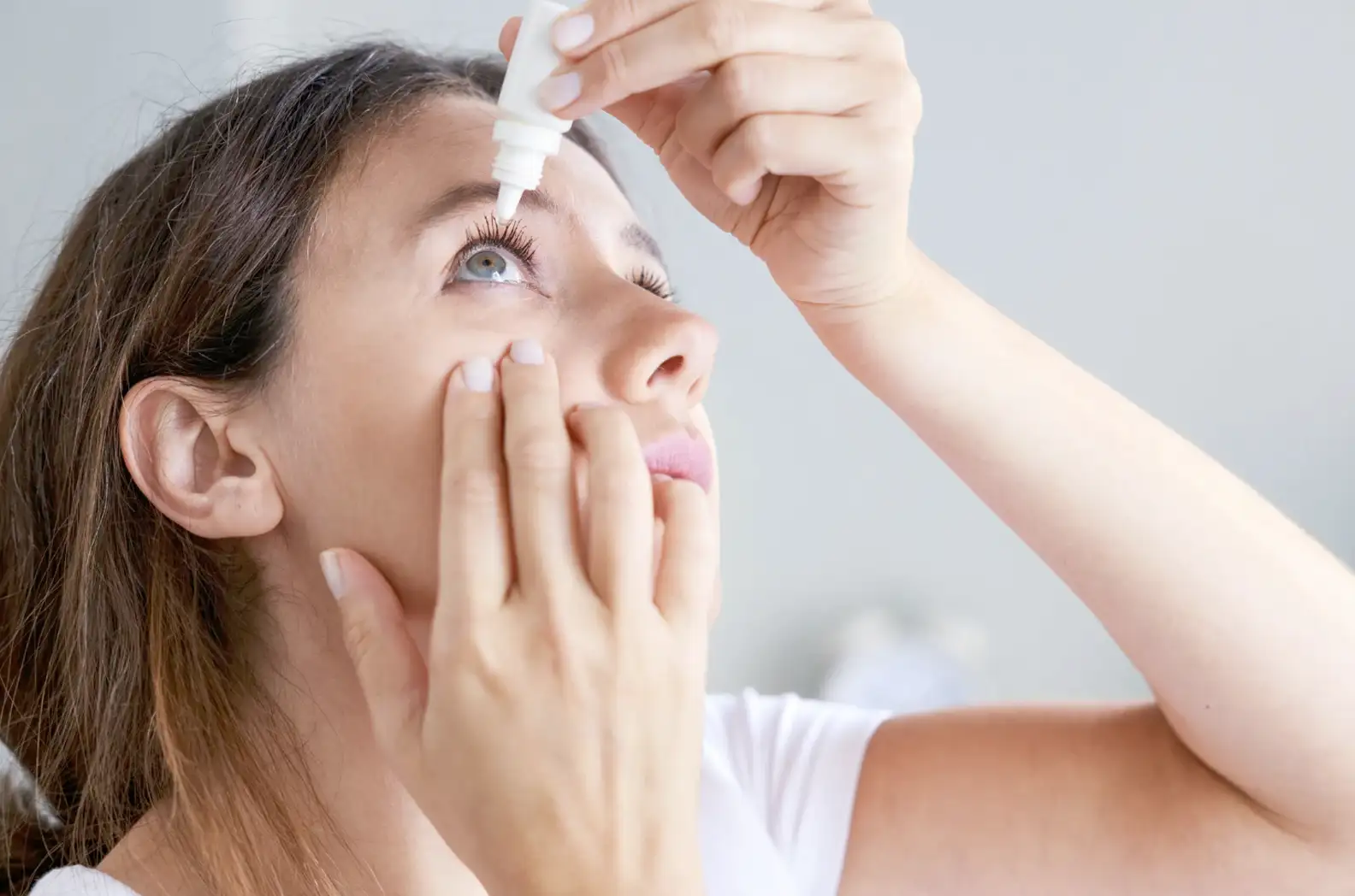
Over-the-counter artificial tears provide relief by lubricating the eyes. Opt for preservative-free drops if you use them frequently to avoid further irritation.
Tip: Apply eye drops before using screens or spending time in dryer environments.
Follow the 20-20-20 Rule
Staring at digital devices can reduce blinking, leading to dryness. The 20-20-20 rule helps reduce eye strain:
Every 20 minutes, look at something 20 feet away for 20 seconds.
Tip: Blink intentionally when using screens to keep your eyes moist.
Adjust Your Environment
Environmental factors can exacerbate dry eye symptoms. Small changes to your surroundings can make a big difference.
- Use a Humidifier: Add moisture to dry indoor air, especially during winter.
- Reduce Airflow: Avoid sitting near fans or air vents that blow air directly at your face.
- Wear Wraparound Glasses: These protect your eyes from wind and dry air when outdoors.
Stay Hydrated
Proper hydration supports tear production. Aim to drink 6-8 glasses of water a day.
Tip: Limit caffeine and alcohol, as they can dehydrate your body and worsen dry eye symptoms.
Maintain a Balanced Diet
A diet rich in omega-3 fatty acids can improve tear quality. Include the following in your meals:
- Oily fish (salmon, mackerel)
- Flaxseeds and chia seeds
- Walnuts
Tip: Consider an omega-3 supplement if you struggle to get enough through food.
Practice Good Eyelid Hygiene
Inflammation of the eyelids (blepharitis) can worsen your eyes. Regular eyelid cleaning can help:
- Gently wash your eyelids with a warm, damp cloth.
- Use a mild, preservative-free cleanser.
- Apply warm compresses to relieve gland blockages.
Tip: Perform eyelid hygiene daily if you have chronic dry eye.
Limit Contact Lens Use
If contact lenses contribute to dryness, consider switching to:
- Daily disposable lenses
- Silicone hydrogel lenses (for better oxygen flow)
Tip: Give your eyes a break by wearing glasses when possible.
When to Seek Professional Help
If self-care strategies do not provide relief, speak to an optometrist or ophthalmologist. They may recommend:
- Prescription Eye Drops: Such as cyclosporine (Restasis) or lifitegrast (Xiidra).
- Punctal Plugs: Small devices inserted into tear ducts to retain moisture.
- Light Therapy and Massage: For severe cases caused by gland dysfunction.
Conclusion
Managing dry eye involves a combination of lifestyle changes, proper eye care, and professional guidance when necessary. By adopting these strategies, you can relieve discomfort and protect your long-term eye health.
If your symptoms persist or worsen, do not hesitate to consult an eye care specialist for a tailored treatment plan.