The Purpose and Impact of Hearing Aids

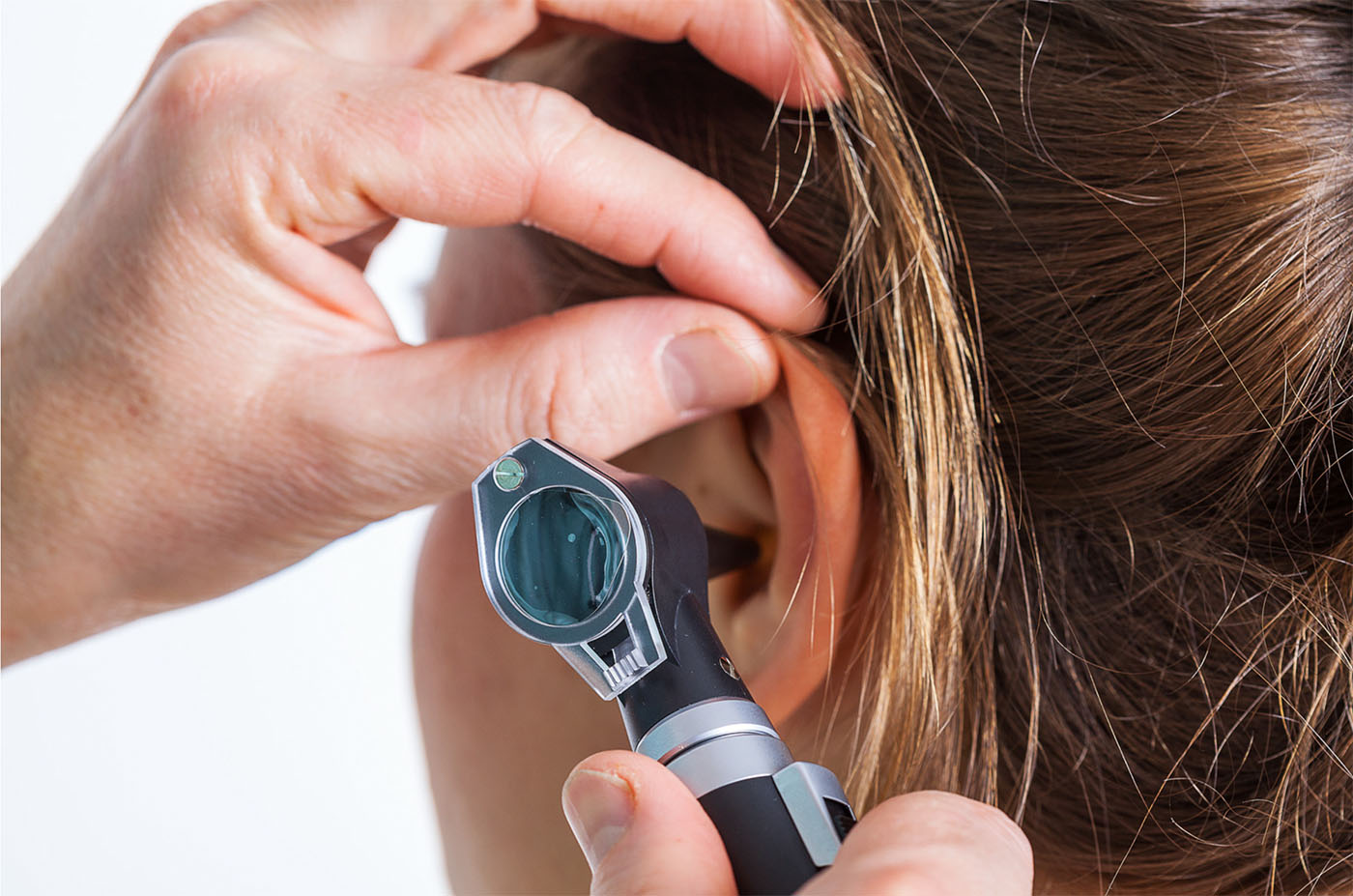
hearing tests from VIP Redditch

Hearing aids are remarkable devices that have transformed the lives of millions, providing a gateway to the world of sound for those with hearing impairments. In this blog, we’ll delve into the purpose and significance of hearing aids, exploring how these small but powerful devices play a pivotal role in enhancing communication, connection, and overall quality of life.

The Purpose of Hearing Aids

Restoring Auditory Function:

  • The primary purpose of hearing aids is to amplify sounds, making them audible for individuals with hearing loss. This includes sounds in various environments, from the soft rustle of leaves to the clarity of spoken words.

Improving Communication:

  • Hearing aids are invaluable tools for enhancing communication. They help individuals with hearing loss engage more effectively in conversations, whether in one-on-one interactions, group settings, or social gatherings.

Enhancing Quality of Life:

  • Hearing loss can impact various aspects of life, including social interactions, work, and leisure activities. Hearing devices play a vital role in restoring a sense of normalcy and connection, thereby improving overall quality of life.

Preserving Cognitive Function:

  • Untreated hearing loss has been linked to cognitive decline and an increased risk of conditions such as dementia. By providing auditory stimulation and improving communication, hearing aids contribute to cognitive health and well-being.

Boosting Emotional Well-Being:

  • Hearing loss can lead to feelings of isolation, frustration, and depression. These hearing devices address the emotional challenges by reconnecting individuals with the world around them, fostering a sense of belonging and emotional well-being.

How Hearing Aids Work

These amazing pieces of equipment employ advanced technology to amplify sounds based on the individual’s hearing needs. Here’s a simple breakdown of their functionality:

Microphones:

  • Hearing aids are equipped with microphones that pick up sounds from the environment.

Amplification:

  • The received sounds are processed and amplified according to the user’s unique hearing profile.

Receiver:

  • The amplified sounds are delivered to the user’s ear through a receiver or speaker.

Customization:

  • Modern devices often feature customisable settings, allowing users to adapt the device to different listening environments and preferences.

Types of Hearing Aids

Behind-the-Ear (BTE):

  • Sits behind the ear and connects to a custom earpiece.

In-the-Ear (ITE):

  • Fits into the outer ear and is suitable for mild to severe hearing loss.

In-the-Canal (ITC) and Completely-in-the-Canal (CIC):

  • Placed in the ear canal, offering a more hidden option.

Receiver-in-Canal (RIC) or Receiver-in-the-Ear (RITE):

  • Features a small device behind the ear with a receiver inside the ear canal.

Conclusion

Hearing amplifiers are not just devices; they are bridges to a world of sound that might otherwise remain distant for those with hearing impairments. By restoring auditory function, improving communication, and enhancing overall well-being, these technological marvels empower individuals to lead fulfilling and connected lives. If you or a loved one experiences hearing loss, consider the transformative impact that hearing aids can have in bringing the symphony of life back into focus.

Recent Articles

Foods for Eye Health

The Best Foods for Eye Health

Your eyes are one of the most important organs in your body, allowing you to experience the world in vivid detail. Like the rest of