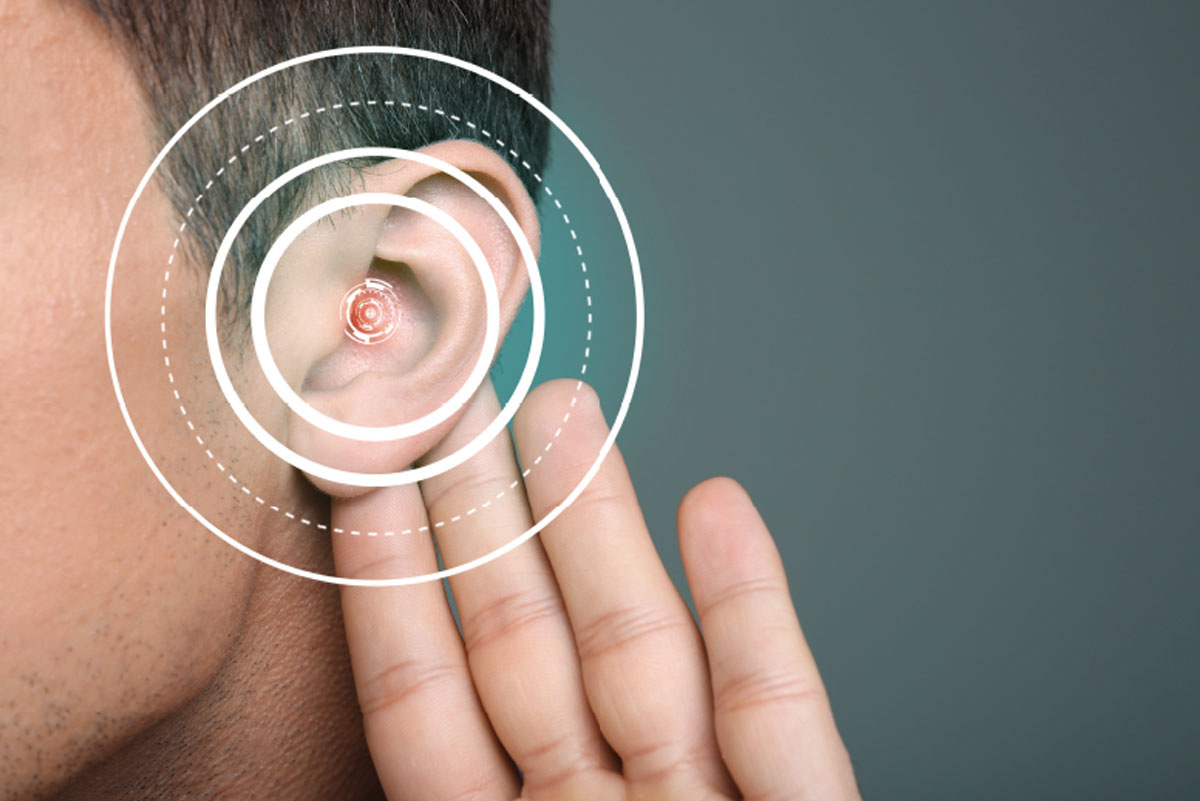
Hearing is one of our most vital senses, enabling us to communicate, enjoy music, and stay aware of our surroundings. However, hearing loss is a common issue that can affect people of all ages. Regular hearing tests are essential for detecting hearing problems early and maintaining good auditory health. In this blog, we will explore the importance of hearing tests, what to expect during the process, and how to take care of your hearing.
Why Hearing Tests are Important
Early Detection of Hearing Loss
Hearing loss often occurs gradually, and many people don’t realise their hearing is declining until it’s significantly affected. Regular hearing tests can detect problems early, allowing for timely intervention and treatment. Early detection can prevent further deterioration and improve your quality of life.
Impact on Overall Health
Hearing loss is linked to several other health issues, including cognitive decline, depression, and social isolation. By identifying hearing problems early, you can take steps to mitigate these associated risks. Regular hearing tests are an essential part of maintaining your overall health and well-being.
Enhanced Communication
Hearing loss can significantly impact your ability to communicate effectively. This can lead to misunderstandings, frustration, and social withdrawal. Regular hearing tests ensure that you can address any hearing issues promptly, maintaining clear and effective communication with others.
Customised Hearing Solutions
If a hearing test reveals that you have hearing loss, it allows audiologists to provide personalised solutions tailored to your specific needs. This might include hearing aids, assistive listening devices, or other treatments designed to improve your hearing and quality of life.
What to Expect During a Hearing Test
Initial Consultation
Your hearing test will usually start with an initial consultation. The audiologist will ask about your medical history, any symptoms you’ve noticed, and your exposure to noise. This helps them understand any potential factors contributing to hearing loss.
Physical Examination
The audiologist may perform a physical examination of your ears to check for any visible issues, such as earwax buildup or abnormalities in the ear canal or eardrum. This step ensures that there are no physical obstructions affecting your hearing.
Audiometric Testing
The main part of the hearing test involves a series of audiometric tests to assess your hearing ability. These tests include:
- Pure Tone Audiometry: You will wear headphones and listen to a series of tones at different frequencies and volumes. You will indicate when you hear each tone, allowing the audiologist to determine your hearing threshold.
- Speech Audiometry: This test assesses your ability to hear and understand speech. You will listen to words or sentences at various volumes and repeat them back.
- Tympanometry: This test evaluates the function of your middle ear by measuring how your eardrum responds to changes in air pressure.
Review and Recommendations
After the tests, the audiologist will review the results with you. If any hearing loss is detected, they will discuss the severity, possible causes, and recommended treatment options. This might include hearing aids, assistive devices, or medical treatments, depending on the nature of the hearing loss.
Taking Care of Your Hearing
Protect Your Ears from Loud Noises
Exposure to loud noises is a common cause of hearing loss. Use ear protection, such as earplugs or noise-canceling headphones, when exposed to loud environments, like concerts, construction sites, or noisy workplaces.
Avoid Prolonged Use of Earbuds and Headphones
Listening to music or other audio at high volumes for extended periods can damage your hearing. Follow the 60/60 rule: listen at no more than 60% volume for no more than 60 minutes at a time.
Keep Your Ears Clean
Gently clean your ears with a damp cloth and avoid inserting objects like cotton swabs into your ear canal, as this can cause damage or push earwax deeper.
Regular Check-Ups
Just like you visit the dentist or optometrist regularly, make hearing tests a routine part of your healthcare. Schedule an annual hearing test, especially if you are over 50, work in a noisy environment, or have noticed any changes in your hearing.
Stay Healthy
Overall health can impact hearing. Maintain a healthy lifestyle with a balanced diet, regular exercise, and avoid smoking, which can contribute to hearing loss.
Conclusion
Hearing tests are a crucial component of maintaining good auditory health and overall well-being. By detecting hearing issues early, you can take proactive steps to protect your hearing and improve your quality of life. Whether you’re experiencing symptoms of hearing loss or just want to ensure your hearing remains in good condition, regular hearing tests are an essential practice. Prioritise your hearing health and schedule a hearing test today – your ears will thank you!