Differences Between High Quality and Low Quality Glasses

kelinse-nbg quality glasses

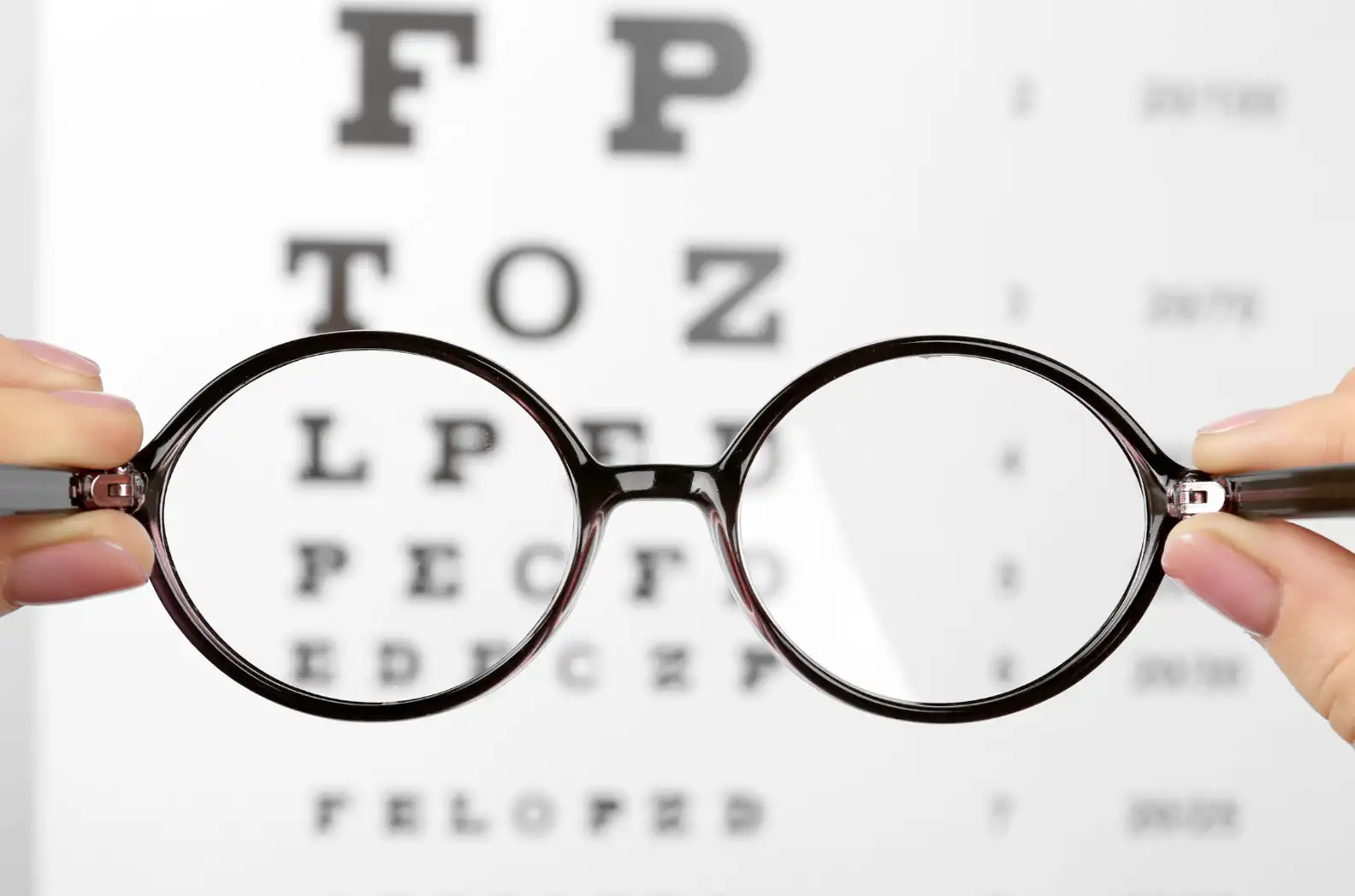
Choosing the right pair of glasses goes beyond style and fashion; it’s about investing in your vision and overall eye health. The market offers a wide range of eyewear options, varying in quality, craftsmanship, and materials. In this blog, we’ll delve into the critical differences between high-quality and low quality glasses, helping you make an informed decision that aligns with your visual needs.

Materials Matter

High-Quality Glasses:

  • Premium Frames: High quality glasses often feature frames made from durable materials such as titanium, stainless steel, or high quality acetate. These materials offer superior strength, flexibility, and longevity.
  • Precision Craftsmanship: Well-crafted frames showcase precision in design and construction. Attention to detail, including smooth edges and well-aligned components, reflects the commitment to quality.
  • High-Index Lenses: Well made glasses often come with high-index lenses, which are thinner and lighter than standard lenses. These lenses provide better optical performance and aesthetic appeal.

Low-Quality Glasses:

  • Cheap Materials: lower quality lenses may use inexpensive materials, such as low-grade plastic or alloys. These materials are more prone to wear, breakage, and deformation over time.
  • Sloppy Craftsmanship: Frames of poorly made glasses may exhibit poor craftsmanship, including rough edges, uneven hinges, and misaligned components. These issues can impact comfort and aesthetics.
  • Standard Lenses: Low quality lenses typically come with standard lenses, which may be thicker and heavier than high-index lenses. This can affect the overall comfort and appearance of the glasses.

Optical Clarity

High-Quality:

  • Anti-Reflective Coating: Well made glasses often feature anti-reflective coatings that minimize glare, enhance clarity, and reduce eye strain, especially during night driving or computer use.
  • Precision Prescription: The lenses in high-quality glasses are precisely manufactured to match the individual’s prescription. This ensures optimal visual correction and reduces distortion.

Low-Quality:

  • Limited Coatings: Poor-quality glasses may lack advanced coatings like anti-reflective or anti-scratch treatments. This can compromise visual comfort and the longevity of the glasses.
  • Inaccurate Prescriptions: Lenses in low-quality glasses may deviate from the prescribed power, leading to suboptimal vision correction and potential discomfort.

Longevity and Durability

High-Quality:

  • Sturdy Construction: Glasses of a higher standard are built to withstand daily wear and tear. Sturdy hinges, reinforced temples, and durable frame materials contribute to their longevity.
  • Resistance to Wear: Premium coatings and materials resist scratches and damage, preserving the clarity and appearance of the glasses over time.

Low-Quality:

  • Prone to Breakage: Frames made from cheap materials are more susceptible to breakage and deformation. This compromises the overall durability of the glasses.
  • Quick Wear and Tear: Lenses without protective coatings are prone to scratches and damage, reducing the lifespan of poor-quality glasses.

High Quality and Low Quality Glasses Conclusion

Investing in high-quality glasses is an investment in your visual comfort, clarity, and eye health. While glasses of a lower standard may initially seem more budget-friendly, the long-term benefits and satisfaction derived from premium eyewear make the extra investment worthwhile. Your eyes deserve the best, and understanding the differences between the two types empowers you to make an informed choice that prioritizes your vision.

Recent Articles

Foods for Eye Health

The Best Foods for Eye Health

Your eyes are one of the most important organs in your body, allowing you to experience the world in vivid detail. Like the rest of